
Household Junk
General clutter, boxes, broken items, and non-hazardous household waste from cleanouts.
Most dumpster rentals involve everyday debris — household junk, renovation waste, yard cleanup, roofing tear-offs, and general construction material. A few categories need extra planning because of disposal rules, weight limits, or special handling.
This guide covers the basics for homeowners and contractors throughout Pennsylvania, New Jersey, and Delaware. When in doubt, ask before loading. It is easier to plan correctly upfront than fix a problem at pickup.
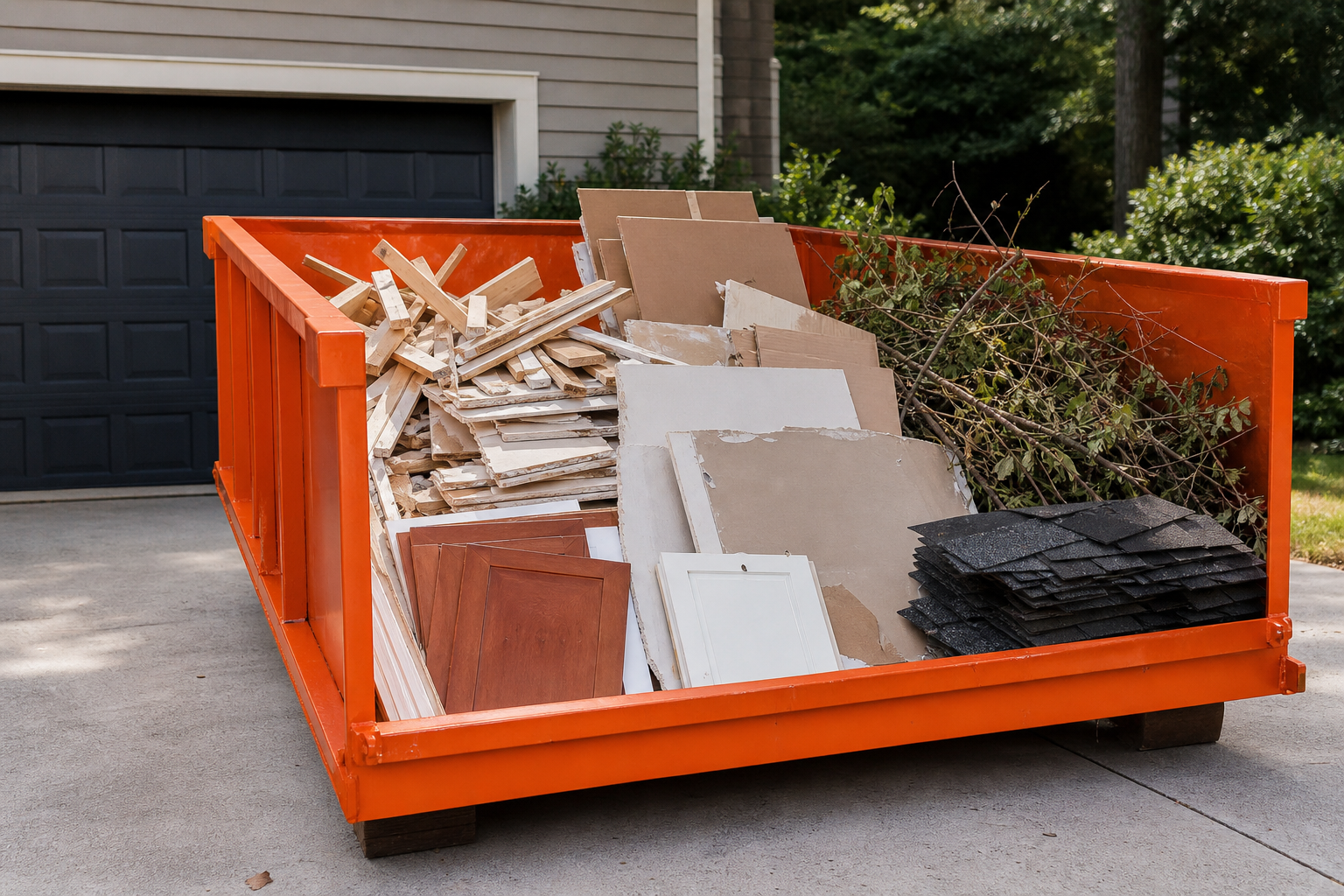
General clutter, boxes, broken items, and non-hazardous household waste from cleanouts.
Couches, chairs, tables, mattresses, and similar items from home or property cleanouts.
Branches, brush, leaves, grass clippings, and general yard cleanup debris.
Shingle tear-offs and roofing debris from standard roofing jobs.
Drywall scraps, sheetrock, and interior wall debris from remodels and tear-outs.
Wood framing, trim offcuts, and untreated lumber from construction and demo work.
Carpet, tile, hardwood, and flooring removal from renovations and contractor jobs.
Kitchen, bath, and built-in tear-out debris from remodels and property turnovers.
Mixed non-hazardous jobsite waste from everyday contractor and renovation work.
These items are not automatically rejected — but they usually require a call first so we can confirm disposal rules, weight limits, and the right container plan.
A quick call upfront saves headaches later. Here is why certain materials need planning:
Some items are hazardous and cannot go in a standard load
Dense materials can make a container overweight fast
Some debris requires special disposal handling
It is easier to plan before delivery than fix a problem at pickup
Furniture, boxes, and household junk are usually fine. Appliances, paint, and chemicals may need a call first.
Drywall, lumber, flooring, and cabinets typically work well. Heavy tile, concrete, or mixed dense loads may need planning.
Branches, brush, leaves, and plant debris are commonly accepted. Dirt, stumps, and heavy mixed loads may require a call.
Shingles and roofing debris usually fit standard loads. Very large jobs may affect sizing — ask when you order.
Mixed construction waste is normal. Paint, chemicals, concrete, and heavy dense material should be confirmed upfront.
Household junk, furniture, yard waste, roofing materials, drywall, lumber, flooring, cabinets, fixtures, and general non-hazardous construction debris are commonly accepted.
Paint, chemicals, hazardous materials, liquids, batteries, tires, certain appliances, and heavy dense loads like concrete, brick, dirt, and masonry usually need a quick call before loading.
Often, yes — mixed loads are common on renovation and cleanout jobs. If restricted materials are included or the load gets very heavy, call first so we can confirm the right plan.
Yes, in most yard cleanup loads — branches, brush, leaves, and similar debris. Dirt, stumps, and heavy mixed material may require a call first.
Ask before loading. A quick call upfront is faster than sorting out a pickup problem later.
Yes. Dense material like concrete, brick, dirt, and masonry can make a container hit weight limits before it looks full. Tell us what you are loading when you order.
If you are unsure whether something belongs in the dumpster, ask before loading. We will give you a straight answer and help you plan the right container.
You will be taken to our secure quote form.